

Direct-to-consumer (D2C) brands control the entire customer relationship, from first click to post-purchase support. That control is both the advantage and the burden. Unlike marketplace sellers who offload logistics and returns to Amazon or similar platforms, D2C brands own the return experience entirely.
The ecommerce platform a brand chooses shapes that experience. Some platforms have robust native return features. Others rely on third-party apps. Some make it easy to customize return policies and workflows. Others force brands into rigid templates.
This guide evaluates the leading D2C ecommerce platforms specifically through the lens of returns management: what each platform offers natively, where the gaps are, and how to fill them.
Why Returns Matter More for D2C Brands

No Marketplace Safety Net
Marketplace sellers (Amazon, Walmart, Etsy) benefit from platform-managed return policies and infrastructure. D2C brands set their own policies, manage their own logistics, and absorb the full cost of returns.
Brand Experience Ownership
The return experience is part of the brand experience. A clunky return process undermines the premium positioning that most D2C brands work hard to build. Customers who have a positive return experience are 2.5x more likely to purchase again.
Margin Pressure
D2C brands typically operate on tighter margins than wholesale. Every return that results in a full refund (rather than an exchange or store credit) hits the bottom line directly.
Data Advantage
D2C brands have direct access to return data. They can use return analytics to identify product issues, improve listings, and reduce future returns. This data advantage only works if the platform captures structured return information.
Platform Comparison: Returns Capabilities
Shopify
Market position: The dominant D2C platform, powering over 4 million stores globally.
Native return features:
- Self-serve returns (customers request returns from their account)
- Return rules (window, restocking fees, final sale tags)
- Return label generation (manual or automated)
- Refund processing from the admin panel
- Basic return reason tracking
Strengths for returns:
- Large app ecosystem for returns (Loop, Claimlane, AfterShip, etc.)
- Flexible return policy page configuration
- Good API for custom integrations
- Shopify Shipping for discounted return labels
Gaps:
- No native exchange management (requires apps)
- Limited automation rules in native system
- No warranty claim tracking
- No supplier recovery features
- Basic return analytics
Best suited for: Brands at any stage. The app ecosystem compensates for native limitations. Claimlane's Shopify integration adds warranty management, AI-powered claims, and supplier recovery.
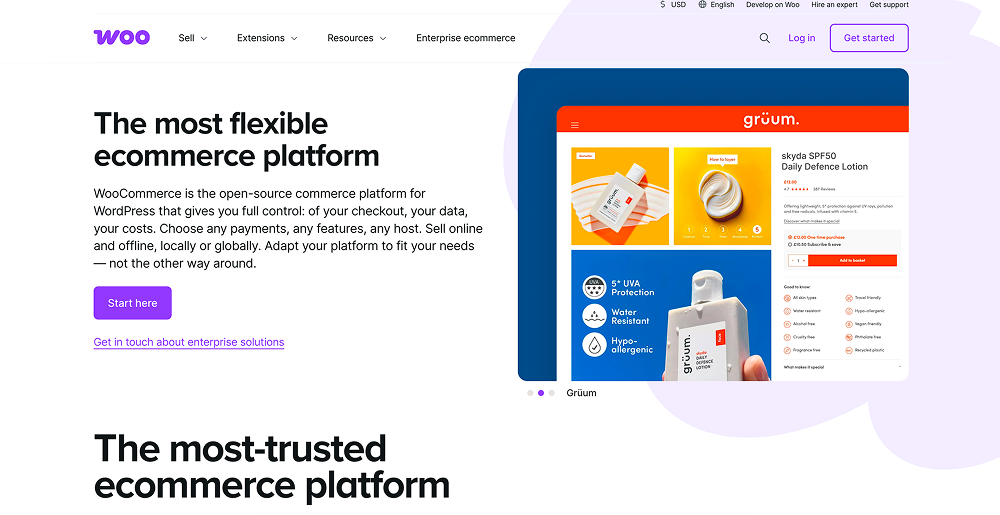
WooCommerce
Market position: The largest open-source ecommerce platform, built on WordPress.
Native return features:
- Manual refund processing from order screen
- Basic refund reason field
- No self-service return portal (requires plugins)
- No return label generation
Strengths for returns:
- Complete customization through code
- Large plugin ecosystem
- No platform fees on returns processing
- Full data ownership
Gaps:
- Almost no native return functionality
- Requires multiple plugins to match Shopify's native features
- Plugin compatibility issues common
- No built-in return shipping integration
Best suited for: Technical teams that want full control and are willing to build or configure the return stack. Pair with Claimlane or similar for structured return management.

BigCommerce
Market position: Enterprise-focused platform for mid-market and large D2C brands.
Native return features:
- Return merchandise authorization (RMA) system built-in
- Customers can request returns from their account
- Return reason tracking
- Return status management
- Refund processing from admin
Strengths for returns:
- Most complete native RMA system among major platforms
- B2B and wholesale return support
- Multi-storefront returns (one admin, multiple stores)
- Headless commerce compatible
Gaps:
- Smaller app ecosystem than Shopify
- Limited automation in native RMA
- No AI-powered assessment
- Return analytics are basic
Best suited for: Mid-market brands that want solid native returns without heavy app reliance. Good for brands with both D2C and wholesale channels.
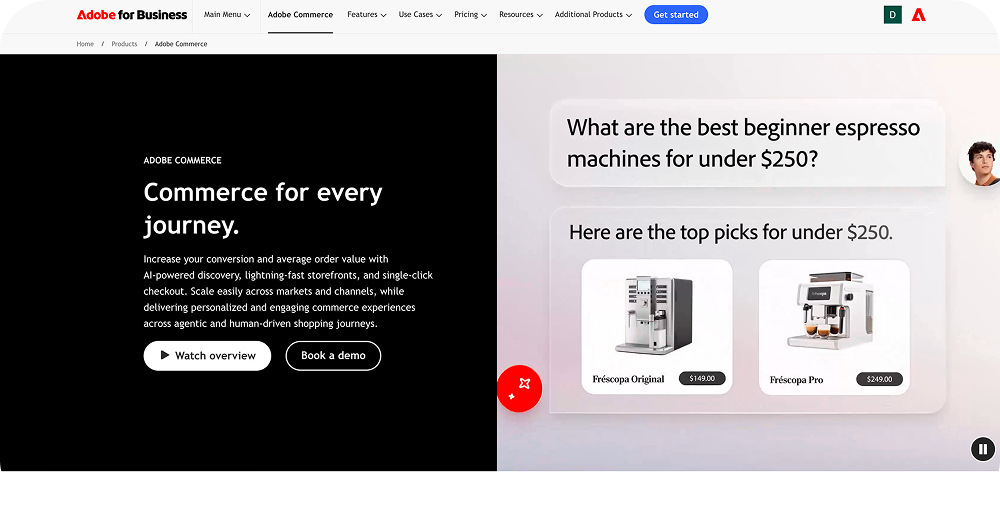
Adobe Commerce (Magento)
Market position: Enterprise ecommerce platform for large, complex operations.
Native return features:
- Full RMA system with customizable workflows
- Return authorization, receiving, and processing
- Customer-facing return requests
- Return shipping label generation
- Credit memo management
Strengths for returns:
- Most configurable native return system
- Complex rule engines for return routing
- Multi-warehouse return processing
- B2B return support
Gaps:
- High implementation and maintenance costs
- Requires developer resources for configuration
- Performance overhead of RMA customization
- Limited modern app ecosystem
Best suited for: Large enterprises with complex return workflows, multiple warehouses, and dedicated development teams.
Salesforce Commerce Cloud
Market position: Enterprise cloud commerce platform integrated with Salesforce CRM.
Native return features:
- Order management with return processing
- Integration with Salesforce Service Cloud for support
- Return workflow automation
- Customer case management for returns
Strengths for returns:
- Unified customer view across commerce and service
- Return conversations tied to customer CRM records
- Enterprise workflow automation
- Omnichannel return capabilities
Gaps:
- Very high total cost of ownership
- Complex implementation
- Limited self-service return portal options
- Requires Salesforce ecosystem commitment
Best suited for: Large enterprises already using Salesforce that need returns integrated with CRM and service operations.
Platform Comparison Table
Optimizing Returns on Any D2C Platform
Regardless of the platform, D2C brands can improve returns management by implementing these strategies.
Layer a Returns Management Platform
No ecommerce platform offers complete return automation natively. A dedicated returns management system like Claimlane, rated 4.8/5 on G2 (read reviews), adds:
- Self-service claims portal with evidence collection
- AI-powered claims processing
- Automated workflows for approvals and routing
- Supplier recovery for defective products
- Return analytics by product, category, and reason
Implement Exchange-First Flows
Configure the return process to present exchanges and store credit before showing the refund option. Revenue retained through exchanges typically runs 20% to 35% of total return requests.
Build a Clear Return Policy
Use return policy templates as a starting point and customize for the brand. Place the policy on product pages, not just the footer.
Reduce Returns at the Source
Use return data to identify and fix product issues:
- Sizing problems: update size guides and add fit recommendations
- Quality issues: address with suppliers using defect data
- Expectation mismatches: improve product photos and descriptions
- Predictive analytics can flag high-risk orders before they ship
Track the Right Metrics
Key return metrics for D2C brands:
- Return rate by product and category
- Cost per return (shipping + processing + lost margin)
- Exchange conversion rate
- Refund-to-store-credit ratio
- Time to resolution
- Customer satisfaction on return interactions
D2C Returns by Industry

Fashion D2C
Return rates of 20% to 40%. Bracketing (ordering multiple sizes) is common. Strategy: invest in size recommendation AI, offer free exchanges but charge for refund returns, use final sale tags on clearance.
Electronics D2C
Return rates of 8% to 15%. Warranty claims extend well beyond the return window. Strategy: separate return and warranty processes, automate warranty eligibility checks, track defects by supplier.
Home and Furniture D2C
Return rates of 5% to 10% but high cost per return due to bulky items. Furniture brands face unique challenges with damaged-in-transit claims. Strategy: detailed product dimensions, room visualization tools, inspect-on-delivery policies.
Beauty D2C
Return rates of 5% to 8%. Hygiene restrictions limit what can be returned. Strategy: sample programs, shade-matching tools, "keep it" refunds for opened low-value products.
.webp)